The home gym has evolved from a dusty treadmill in the basement to a serious training environment that can rival commercial gyms for most fitness goals. Here's how to build one intelligently — without wasting money on equipment you'll never use.
Step 1: Define Your Training Goals
Before buying anything, be specific about what you're training for. The equipment needs for a powerlifter are completely different from a marathon runner or someone focused on mobility and general fitness. The most common mistake is buying equipment for the training you think you should do rather than the training you'll actually do consistently.
Step 2: Assess Your Space
You need less space than you think. A 10×10 foot area is sufficient for a highly functional home gym. The key is vertical space — make sure you have at least 8 feet of ceiling height if you plan to do overhead pressing or pull-ups. Measure your space before purchasing any large equipment.
The Essential Foundation (Under $500)
These items cover the majority of training needs for most people:
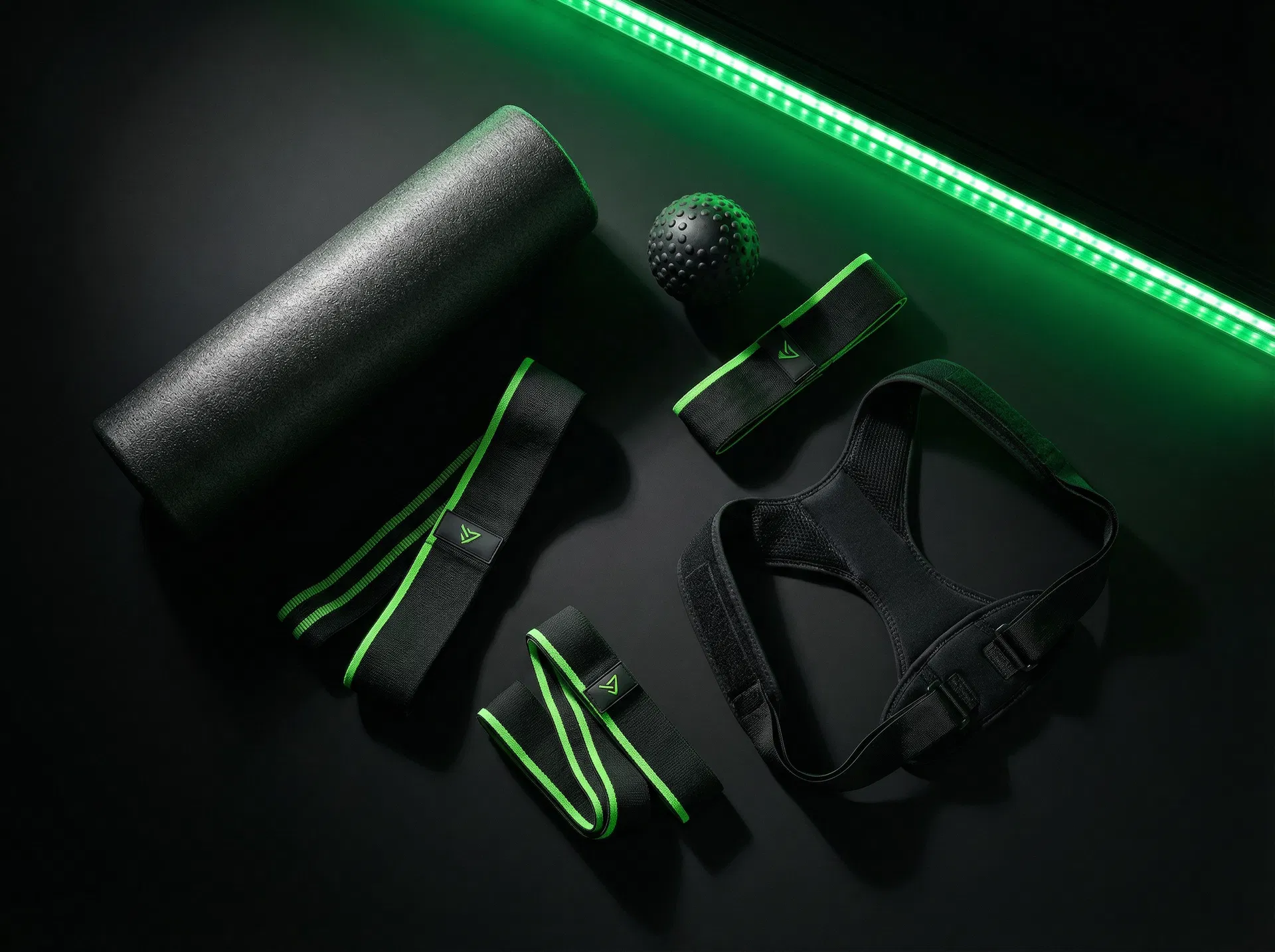
- Resistance band set (5–6 bands): Arguably the highest value-per-dollar piece of fitness equipment. Enables hundreds of exercises, travels anywhere, and lasts years with proper care. $30–60.
- Adjustable dumbbells: A quality set replaces 15+ pairs of fixed dumbbells. Look for a range of 5–50lbs for most users. $200–350.
- Pull-up bar: Doorframe-mounted options are inexpensive and effective. $25–50.
- Yoga mat / exercise mat: Essential for floor work, stretching, and protecting your floor. $40–80.
- Jump rope: Underrated cardio tool. $15–30.
The Performance Upgrade ($500–1,500)
Once you've established consistent training habits, these additions significantly expand your training options:
- Barbell + weight plates: Opens up the big compound movements (squat, deadlift, bench, overhead press). A quality starter set runs $300–500.
- Power rack or squat stand: Essential for safe barbell training. $200–600 for a quality option.
- Kettlebells: 2–3 kettlebells (16kg, 24kg, 32kg for most men; 8kg, 12kg, 16kg for most women) cover a huge range of training. $100–200.
Recovery Equipment (Don't Skip This)
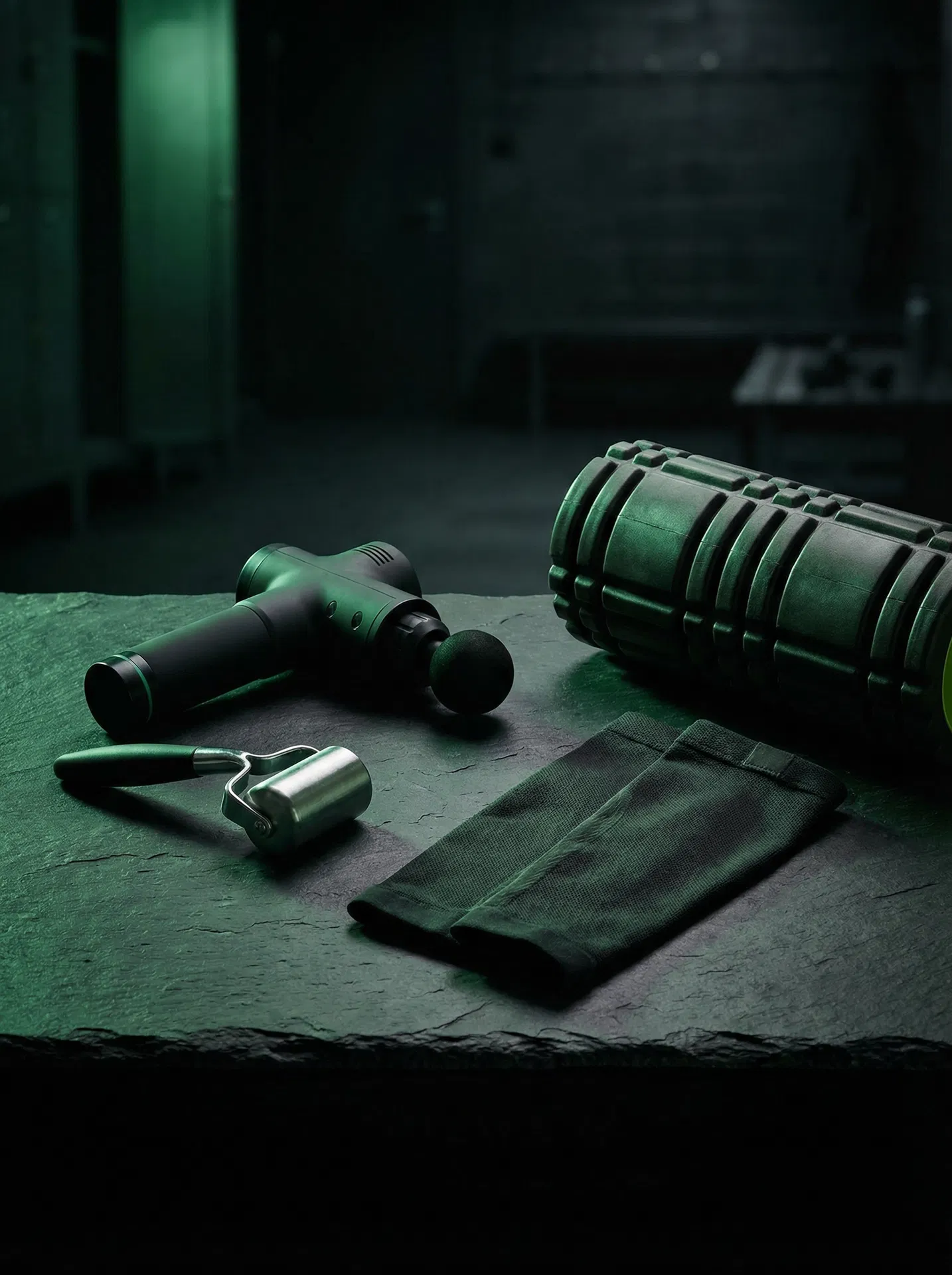
The home gym mistake most people make is spending everything on training equipment and nothing on recovery. Recovery tools are what allow you to train consistently over months and years without breaking down.
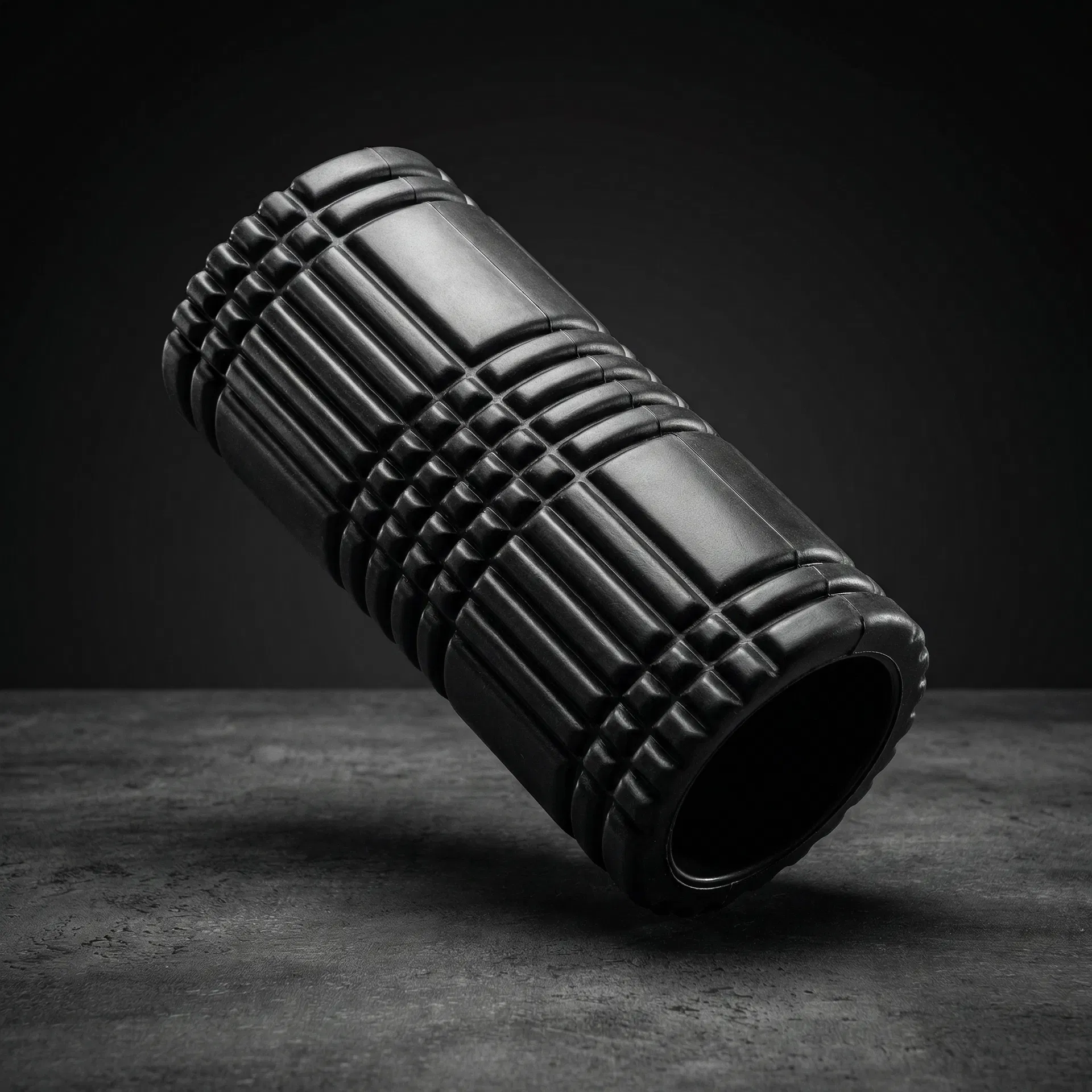
- Foam roller: Non-negotiable. Use it before and after every session. $30–60.
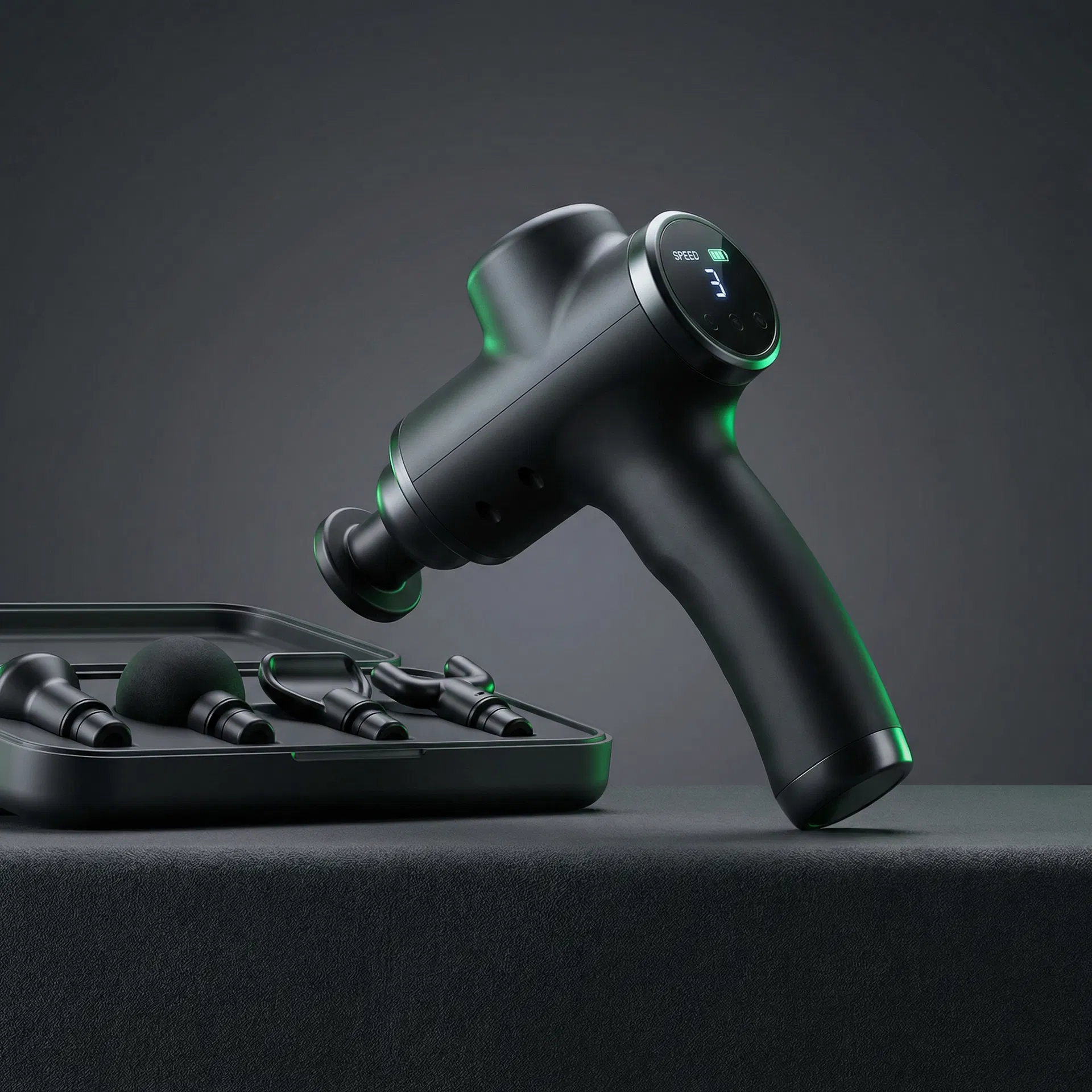
- Massage gun: Accelerates recovery between sessions. $100–200 for a quality option.
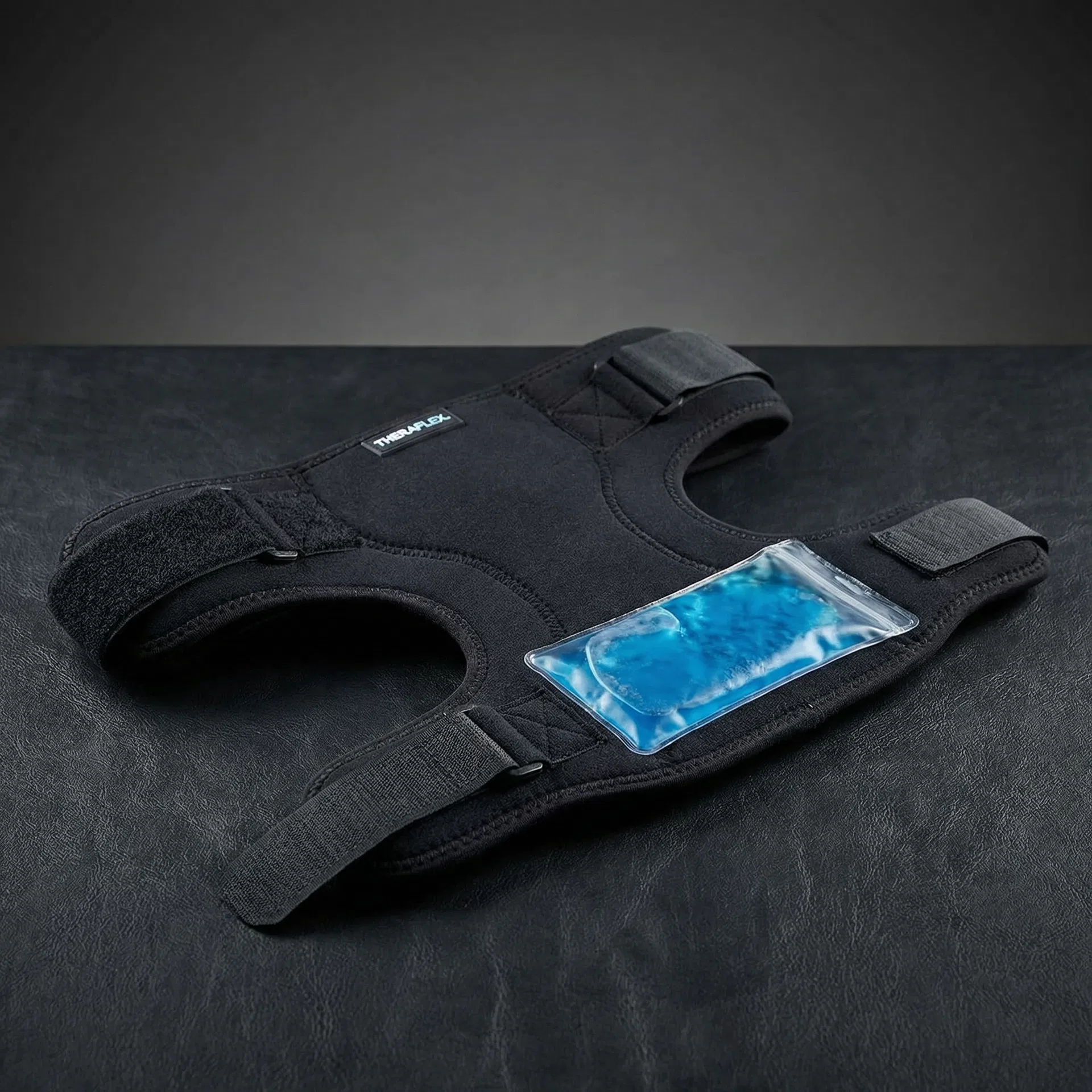
- Mobility tools: Lacrosse balls, stretching straps, and mobility bands. $30–50.
Flooring
Rubber flooring is the single best investment for a home gym that most people overlook. It protects your floor, reduces noise, and provides grip. Interlocking rubber tiles (3/4" thick) run about $1.50–2.50 per square foot. For a 10×10 space, budget $150–250.
The Bottom Line
A $500–700 investment in the right equipment gives you everything you need to make serious progress. Prioritize versatile tools over single-purpose machines, invest in recovery equipment from day one, and protect your floor with proper matting. The best home gym is the one you'll actually use consistently — so start simple and add equipment as your training evolves.