Recovery isn't optional — it's where performance is built. The athletes who consistently outperform their peers aren't just training harder; they're recovering smarter. Here are the five recovery tools that professional trainers and sports medicine specialists recommend most in 2026.
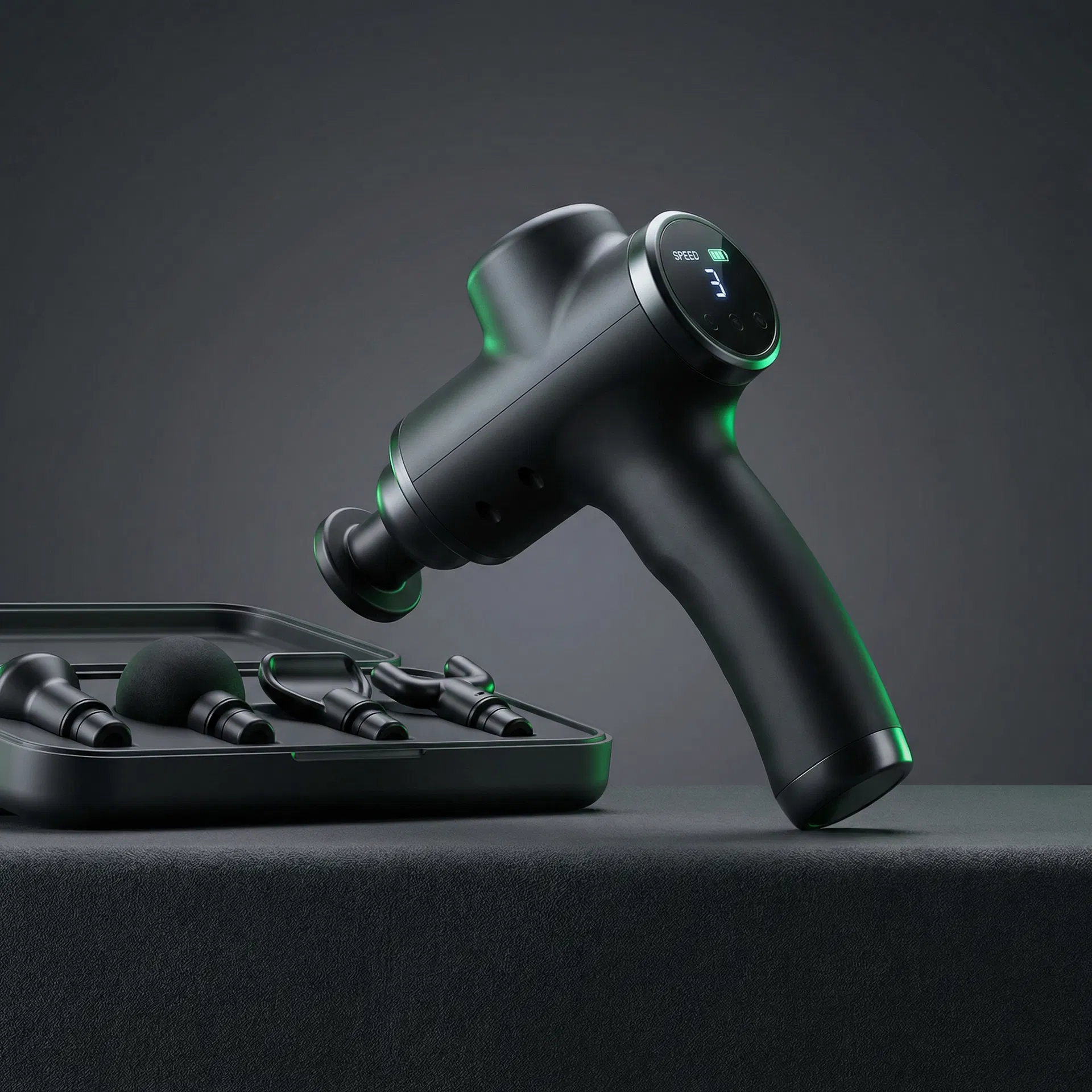
1. Percussion Massage Guns
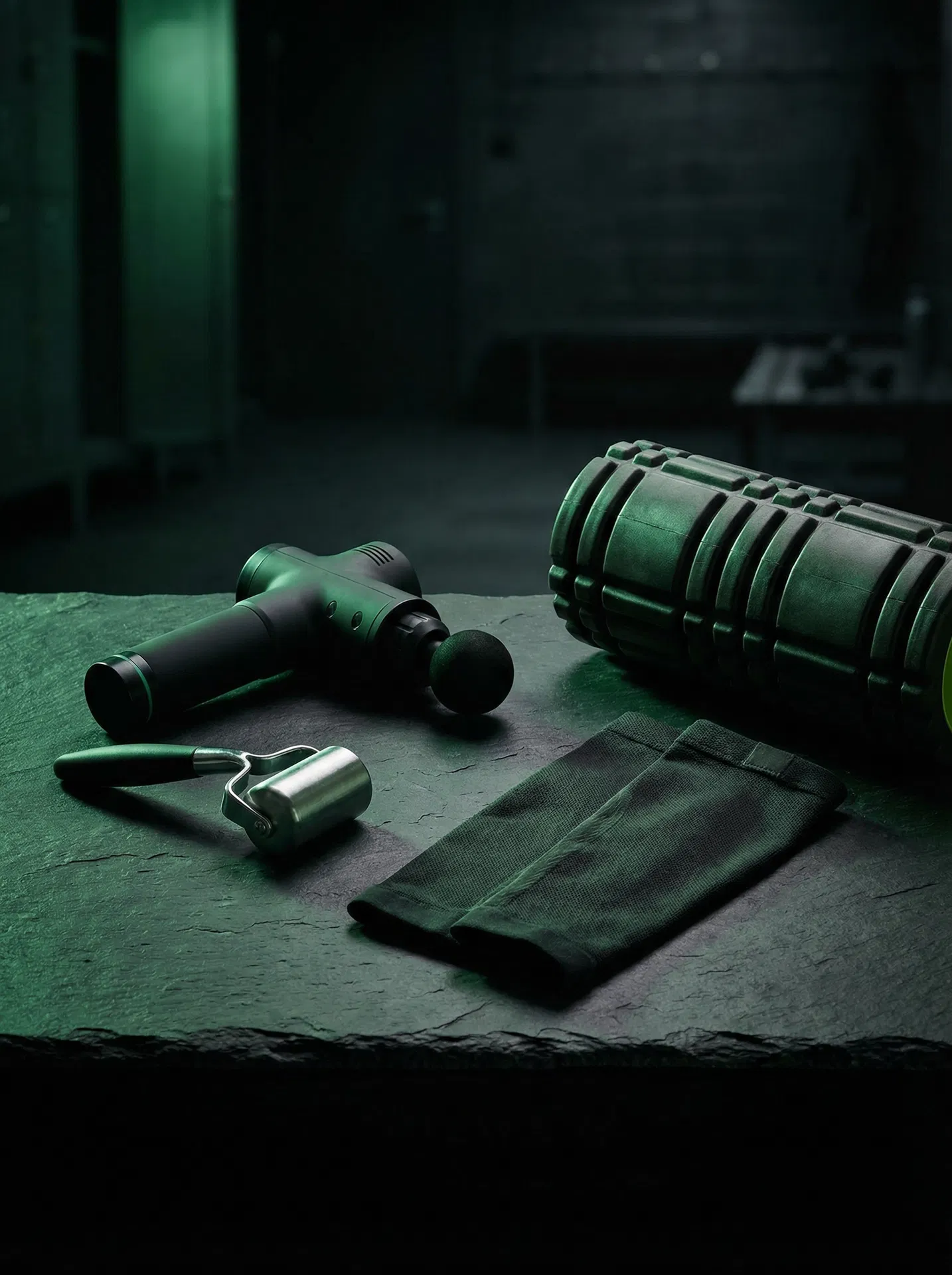
Percussion therapy has become the gold standard for post-workout muscle recovery. A quality massage gun delivers rapid, targeted pressure deep into muscle tissue, breaking up lactic acid buildup and increasing blood flow to accelerate repair. The key specs to look for: amplitude (how deep the head travels — aim for 12mm+), stall force (how much pressure it can handle — 40lbs+ for serious athletes), and battery life (3+ hours per charge).
Best for: Post-workout soreness, tight quads, IT band issues, shoulder tension from overhead work.
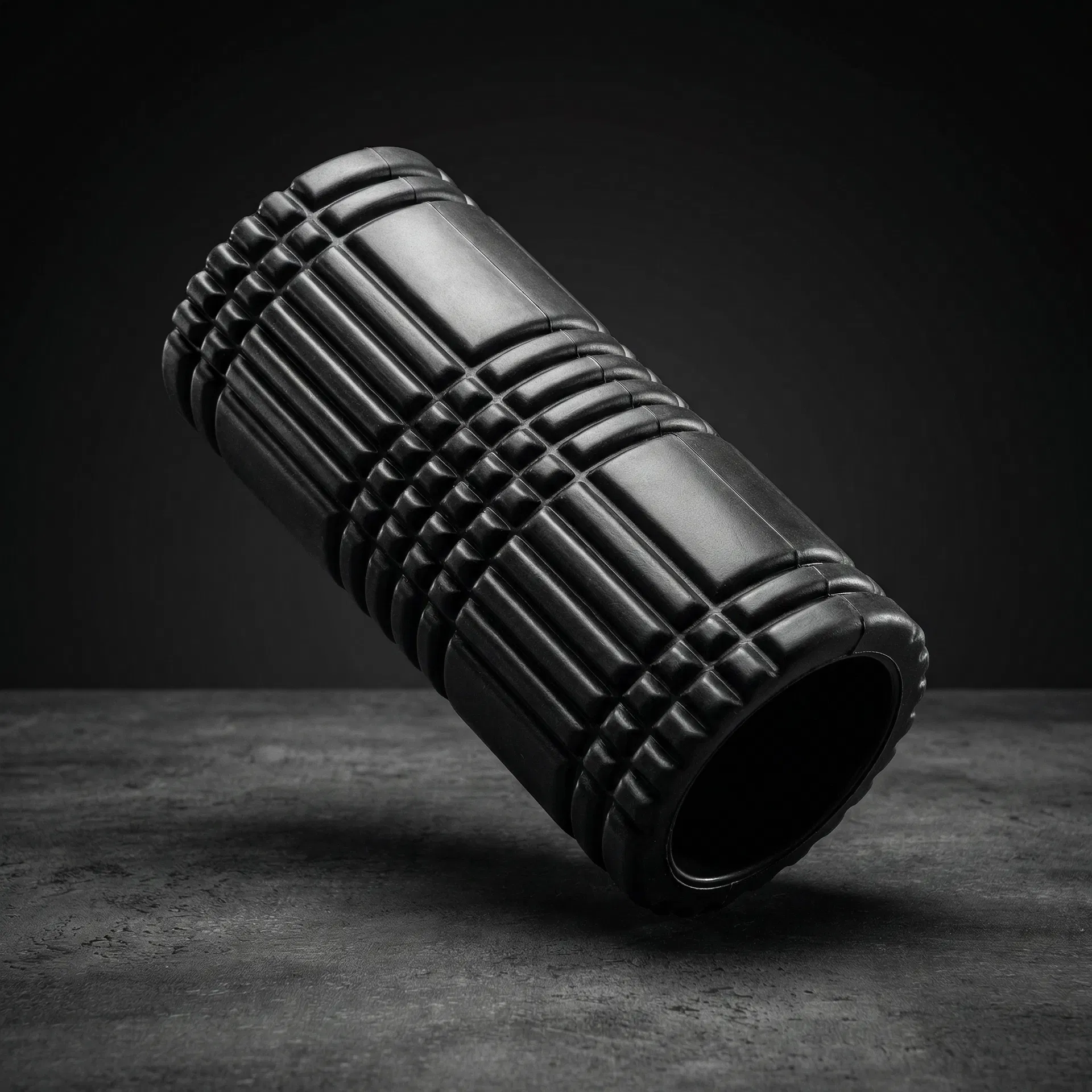
2. Foam Rollers (Vibrating vs. Standard)
Foam rolling has been a staple for decades, but vibrating foam rollers have elevated the technique. The vibration component activates muscle spindles differently than static pressure, allowing for deeper tissue release with less discomfort. Research published in the Journal of Sports Science shows vibrating rollers reduce DOMS (delayed onset muscle soreness) by up to 40% compared to standard rollers.
Best for: Thoracic spine mobility, IT band release, hip flexor work, pre-workout activation.
3. Compression Recovery Boots
Sequential compression devices — long used by elite cyclists and marathon runners — are now accessible for home use. They work by applying graduated pressure from the foot up through the leg, mimicking the body's natural lymphatic drainage process. Most serious endurance athletes use them for 20–30 minutes post-training.
Best for: Leg recovery after long runs, cycling, heavy squat days, reducing swelling.
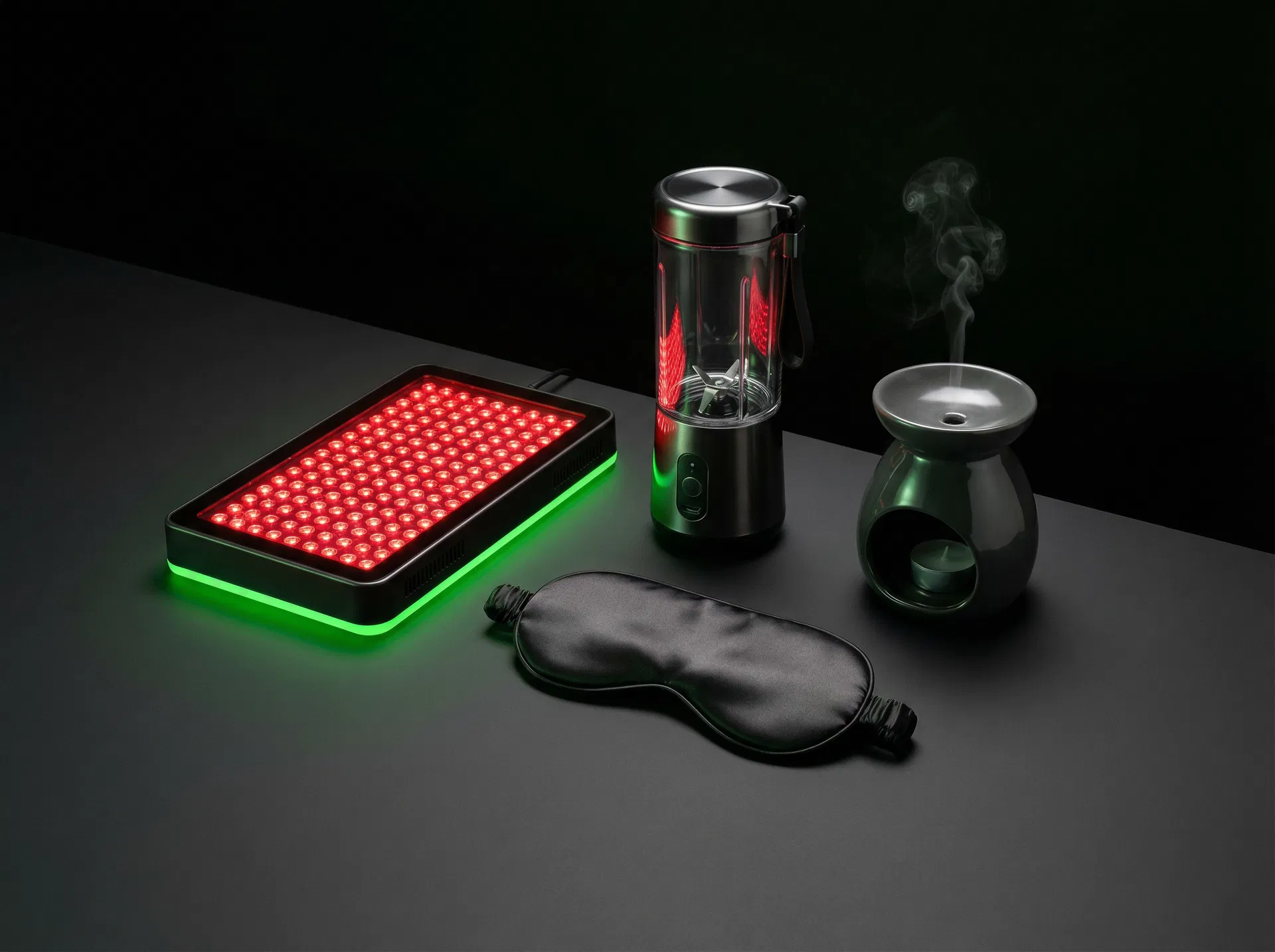
4. Red Light Therapy Panels
Photobiomodulation (red and near-infrared light therapy) has moved from clinical settings to home gyms. The mechanism: specific wavelengths of light (630–850nm) penetrate tissue and stimulate mitochondrial function, increasing ATP production and reducing inflammation. Multiple peer-reviewed studies confirm benefits for muscle recovery, joint pain, and sleep quality.
Best for: Joint pain, chronic inflammation, sleep optimization, skin health.
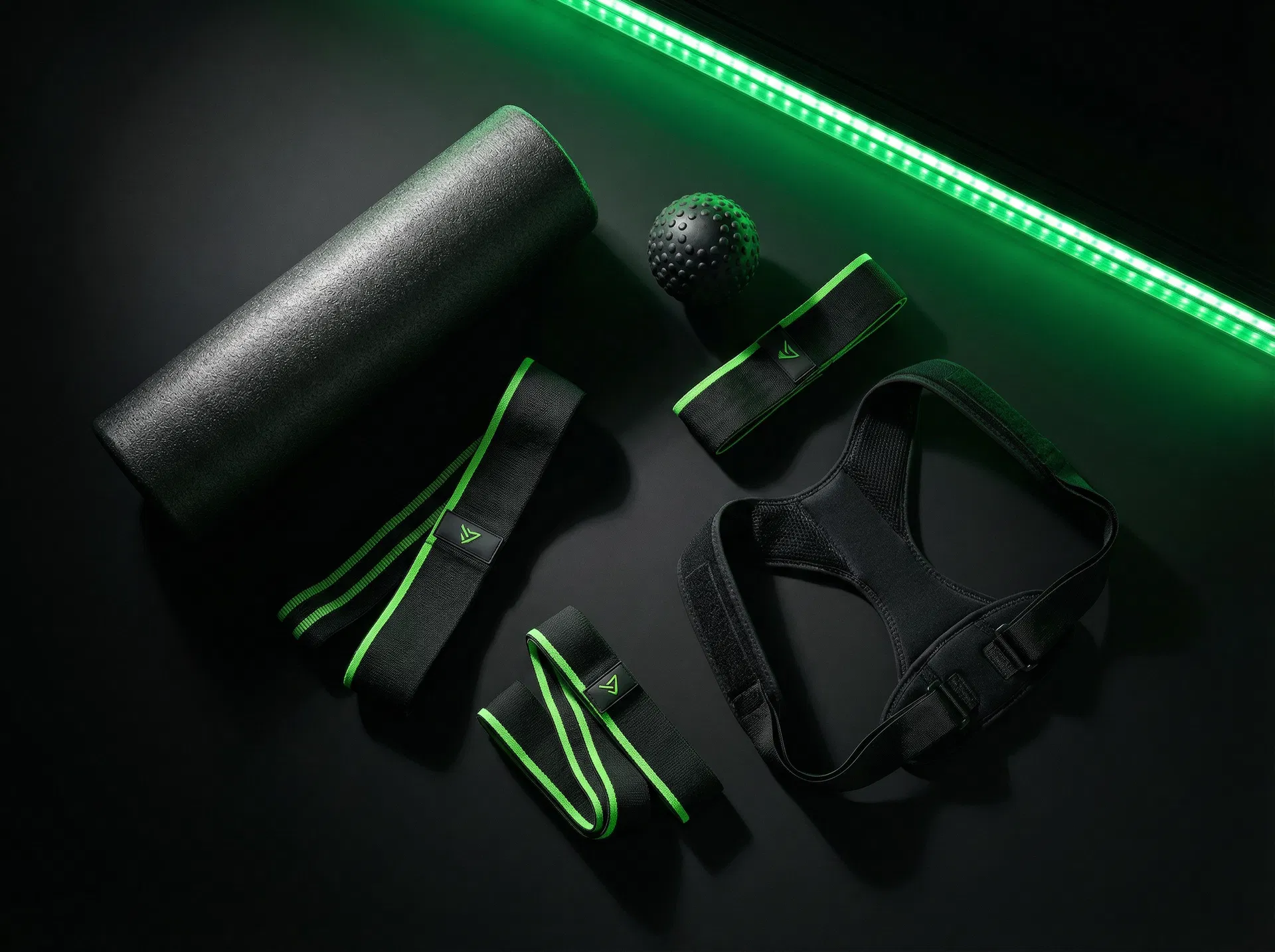
5. Resistance Bands for Active Recovery
Active recovery — light movement that increases blood flow without taxing the system — is consistently more effective than complete rest. A quality set of resistance bands allows you to perform mobility work, light activation exercises, and stretching routines that accelerate recovery without adding training stress.
Best for: Active recovery days, warm-up routines, mobility work, rehabilitation exercises.
The Bottom Line
You don't need all five — start with the tools that address your biggest recovery bottlenecks. For most people, a massage gun and foam roller cover 80% of recovery needs. Add red light therapy if you're dealing with chronic inflammation or joint issues, and compression boots if you do high-volume endurance training.